
Okay, so check this out—I’ve been messing with Solana wallets for a while. Wow! My first impression was pure excitement: fast transactions, low fees, the whole ‘web3 without the wait’ vibe. But something felt off about how folks talk about browser extensions like they’re insta-magical solutions. Seriously? It deserves a pause. On one hand, extensions are convenient. On the other hand, they introduce new attack surfaces and user-experience quirks that are very very important to understand.
Whoa! I’ll be honest: my instinct said “grab an extension and go,” but then I started poking under the hood. Hmm… Initially I thought all wallet extensions were similar, but then I realized differences matter — UX, backup flows, permission prompts, and how they handle phantom accounts or token metadata. Actually, wait—let me rephrase that: not all differences are surface-level; some change recovery options in ways that can be subtle until you need them. So I dug deeper and tried a few options, testing things the hard way (like switching networks mid-session and revoking permissions). The results surprised me.
Here’s the thing. Browser extensions are great for quick dapps interactions. They speed up NFT checkouts, they let you sign transactions without leaving the page, and they make small testing flows painless. But they also live inside your browser process, and that means local threats matter. On one hand, you get convenience and speed. Though actually, on the other hand, it’s a trade-off with persistent keys in a context that browsers sometimes mishandle.
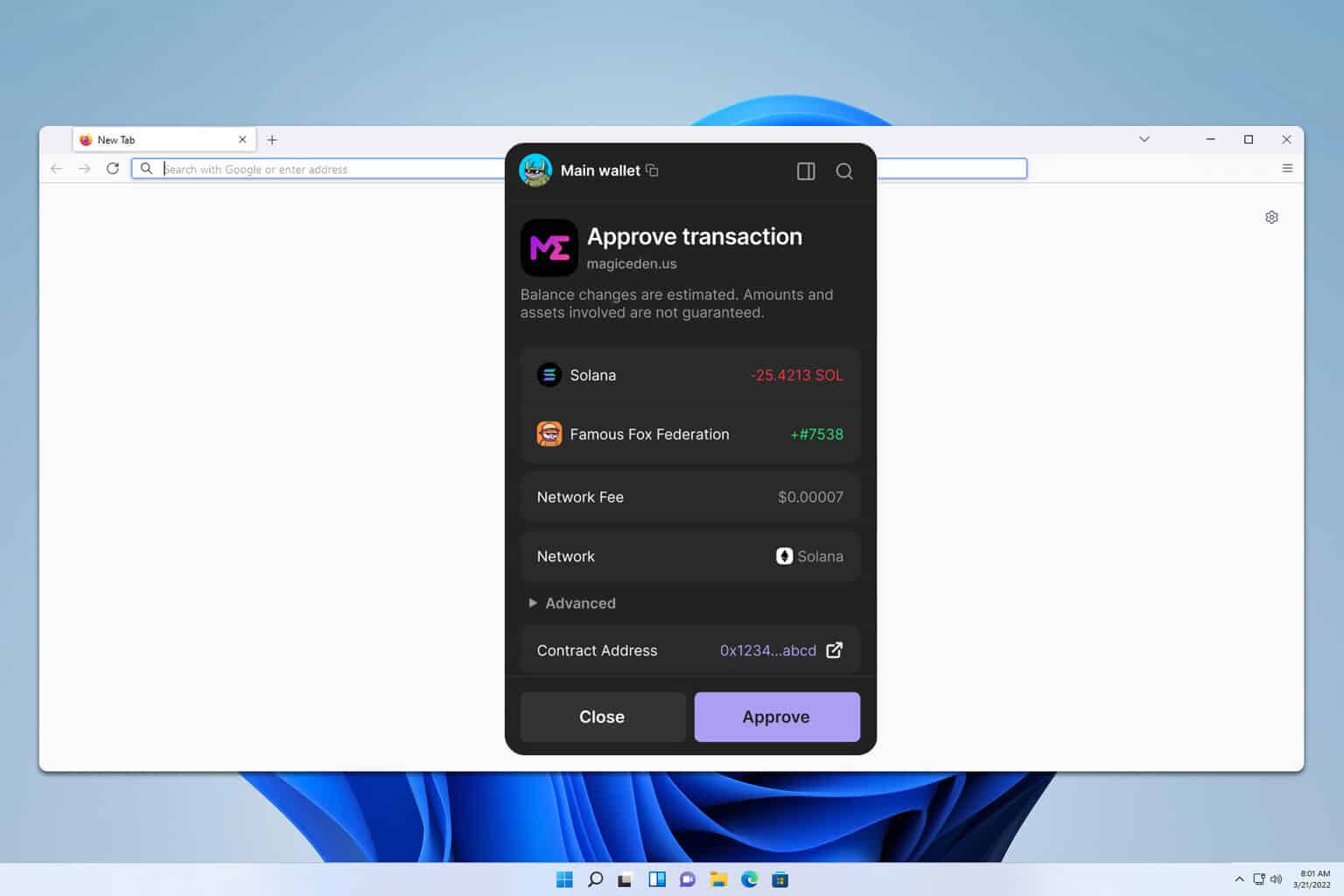
How I Tested a Solana Extension: a Practical Walkthrough
I started with a fresh browser profile. Short setup step: no extensions, no accounts. Seriously? It made a huge difference to isolate variables. Then I installed the extension and created a new wallet, writing down the seed phrase on paper (old school, but reliable). My first few transactions were nearly instant. Wow! Fees were tiny. But I noticed permission popups that were inconsistent across sites — some dapps requested connection for displaying NFTs, others tried to request signing for background processes. Hmm…
Initially I thought “just click allow,” but then I realized I needed a ruleset. On one hand I wanted frictionless dapp usage. On the other, I wanted to minimize long-lived permissions that could be abused. So I adopted a simple routine: create separate accounts for high-risk dapps, revoke connections after use, and keep a primary cold account untouched (only used for long-term holds). My instinct said this would be overkill, but it paid off when a test dapp attempted to request an unnecessary signing operation. I blocked it and reported the bug — not because I was angry, but because it felt very wrong.
Something somethin’ funny happened: a wallet extension I tried displayed token balances differently on different sites. It was a UI mismatch — nothing catastrophic yet annoying like a stubbed checkout on Main Street but online. The experience taught me to cross-check balances on-chain when unsure, and to keep small test amounts handy so I could learn without risking much.
Security and Usability: Balancing Two Worlds
My quick gut take: convenience wins a lot of the time. But if you’re not careful, convenience also leaks security. Really? Yep. Browser extensions can be targeted by malicious scripts, especially when combined with phishing sites or compromised extensions. I’ve seen extensions request broad permissions that weren’t needed. So here’s a practical checklist I used (and you should consider):
– Use a dedicated browser profile for your crypto activity. Short and effective.
– Keep only trusted extensions installed. Remove anything unused.
– Use multiple accounts: hot for small amounts, cold for long-term holds.
– Revoke dapp permissions after interaction when practical.
– Back up your seed phrase offline (paper or metal).
On one hand, those steps are basic. On the other hand, people skip them all the time, and then they wonder why stuff goes wrong. I’m biased, but paranoia here is productive — constrained paranoia. Also, one odd trick: keep a mnemonic in two parts, stored separately (not perfect, but it raises the bar for thieves). I’m not 100% sure it’s foolproof, but it reduced my anxiety.
Why People Love Extensions Like phantom (and When Not To)
Short answer: speed and convenience. Long answer: extensions let you sign with a click, integrate with most dapps, and support token standards that make NFT minting and swap flows smooth. But there are caveats—extensions rely on your browser’s sandbox, which sometimes behaves oddly (especially on Windows or older macOS versions). So if you’re doing high-value operations, consider a hardware wallet combo or a custodial service where appropriate.
I linked up with a few well-known dapps and ran simulated trades and NFT mints. The extension experience was buttery when things worked. But during a bubble of test traffic (oh, and by the way, that was around a popular drop), popup queues got messy and I nearly clicked the wrong transaction. That part bugs me. User flows should force clarity with larger transactions — like a giant red confirmation for big transfers — but not all wallets implement that. So choose a wallet that surfaces those warnings clearly.
One practical recommendation if you’re curious: try the extension on a small amount first. Really, start tiny. If the UX feels right and you can manage permissions comfortably, it’s a good sign. If things feel muddled, don’t escalate funds until you feel confident.
Practical Tips for New Users (my tested rules)
First: seed backup. Second: small test transfers. Third: permission hygiene. Fourth: update the extension and browser regularly. Fifth: document your recovery steps and keep them off the cloud. These are simple, but they solve 90% of the mistakes I see people make.
Also: watch for impersonator extensions. There’s been a wave of copycats. My recommendation is to always download from official sources — and if you want a quick path, check the official page linked below. I’m biased toward solutions that have good community signals and a clear security model, and that includes transparent audits and clear recovery instructions.
Try It Yourself — But Be Intentional
Okay. If you want to try an easy starting point for a Solana browser wallet, consider an extension like phantom. It’s widely used, integrates with most Solana dapps, and has a straightforward onboarding flow. But again — test small, read prompts carefully, and keep backups. My advice is practical, not dogmatic: there’s no single “best” wallet for everyone.
FAQ
Is a browser extension safe?
Short answer: relatively, if you follow basic precautions. Use a dedicated profile, backup your seed offline, and treat extensions like any other app that runs with privileges. The design of the browser matters, and so does your behavior.
Should I use a hardware wallet instead?
For long-term storage of significant funds, yes. Hardware wallets reduce exposure by keeping private keys off the browser. But they add friction for everyday dapp use. Many people use both: a hardware wallet for main holdings and an extension for daily interactions.
What’s the simplest way to get started?
Create a new wallet, write the seed down, transfer a tiny amount of SOL, and try signing a transaction on a known dapp. If that works without confusion, scale slowly. And if somethin’ doesn’t feel right, stop and double-check — trust your gut.
CÓ THỂ BẠN QUAN TÂM
Sprawdzanie Świata Nowych Kasyn Online: Kompleksowy Przegląd
The Ultimate Guide to Real Money Online Roulette
Sultan Казино: Пульс Азарта в Сердце Казахстана
Free Blackjack Gamings Online: A Comprehensive Guide
Finest Online Slots: A Guide to the Most Interesting Online Casino Gamings
Más Fino Establecimiento de Apuestas de Bienvenida Incentivos: Optimizando Tu Experiencia de Juego